Just good friands

[Recipe 1] STEWED APPLE, RHUBARB and POMEGRANATE with CARAMELISED BUCKINIS transforms into
[Recipe 2] GLUTEN-FREE APPLE, RHUBARB and CHIA SEED FRIANDS
……………..
Buckinis
Happy Mother’s Day mamma readers. Are you doing anything special tomorrow? I’m looking forward to brekkie in bed and gifts from my son’s Mother’s Day stall at school (hoping for soap on a rope, just secretly).
This week I’m dishing up two pink recipes for Mother’s Day. First up is apple and rhubarb, stewed in pomegranate juice. The pomegranate juice adds a fab burst of pinkness and vitamins. Have also included instructions for seeding and juicing pomegranates. It’s pretty simple – slice them open, drop the chunks in water, furkle about for the seeds, and lightly blend them to extract the juice.
A friend gifted us a big bag of Loving Earth caramelised buckinis recently (thanks Danny!) which we sprinkled on top of the stewed fruit. They’re light and crispy, and absolutely delicious. Shhhh, they’re actually activated too, but I don’t want to risk saying that word out loud after the aftermath of the infamous Pete Evans interview, which had me spluttering into my coffee.
Reserve a cup of the stewed apple and rhubarb and you can make beautiful (even if I do say so myself) Gluten free apple, rhubarb and chia seed friands, perfect for Mother’s Day morning tea.

PomegranateStewed apple and rhubarb[Recipe 1] Apple and rhubarb stewed in pomegranate juice

Ingredients (makes approx. 6 cups):
4 tablespoons brown sugar 
½ cup (125ml) pomegranate juice (from 2 pomegranates)
8 large green apples (1½ kilos/3 lb), peeled, sliced thickly into 1cm (half-inch) slices
1 bunch (4 fat stalks) rhubarb, chopped into 2½ cm (1″) pieces

1 lemon, finely zested (about 1 tablespoon)
Greek yogurt, to serve (or try Good Cook’s home-made yogurt)
Caramelised buckinis, for sprinkling

Place the sugar and pomegranate juice in a large saucepan. Add apple slices, rhubarb and lemon zest and simmer, covered, over a low heat until apples are just tender and still holding their shape; and rhubarb is starting to break down; about 8–10 minutes. Stir occasionally. Allow to cool.
Reserve 1 cup of the stewed apple and rhubarb for the Gluten-free apple, rhubarb and chia seed friands.
Serve the stewed apple and rhubarb with Greek yogurt, scattered with caramelised buckinis.

  • Poached apple and rhubarb will keep in the fridge, covered, for up to one week; or can be frozen for up to 2 months.
  • Poached apple and rhubarb, pureed smooth, is great for kid’s lunchboxes. Keep it in little containers in the freezer and defrost overnight in the fridge.
  • Caramelised buckinis are available from health food stores or online from Loving Earth. Replace with muesli if unavailable.
  • Rhubarb leaves are poisonous, so don’t give them to your rabbits or guinea pigs!

Apple rhubarb friands

[Recipe 2] Gluten-free apple, rhubarb and chia seed friands

Ingredients (makes 10):
1⅓ cups (160g) icing sugar (confectioners sugar)
½ cup (75g) buckwheat flour
1½ cups (180g) oven-roasted almond meal (ground almonds)
2 tablespoons chia seeds

5 egg whites, unbeaten
185 grams (2½ sticks) unsalted butter, melted
½ cup (60g) chopped walnuts

♦ 1 cup reserved stewed apple and rhubarb, large apple pieces roughly chopped

Preheat oven to 200°C (390ºF).
Lightly oil a ten-cup capacity friand tin (or 10 petite loaf pans).
Sift icing sugar and flour into a large bowl. Add almond meal and chia seeds and stir until combined.
Add the unbeaten egg whites and melted butter and stir until well-combined. Fold through the walnuts and reserved stewed apple and rhubarb.
Spoon mixture into prepared friand tin and bake for 15–18 minutes, or until a skewer comes out clean when inserted into the middle of one.
Allow to cool in the tin for five minutes, then turn out and transfer to a wire rack to cool.
Sprinkle with extra icing sugar if desired.

  • Oven-roasted almond meal is a recent discovery of mine and it’s fabulous, so nutty and flavoursome. It is available at large supermarkets. Replace with traditional almond meal if unavailable.
  • You can replace the stewed apple and rhubarb with poached apple and feijoia for a change. 
  • Unlike muffins, friands will keep fresh and moist in a covered container for up to 3 days.
  • Egg whites are unbeaten for friands – don’t whisk them or the texture will change!

It’s the veal thing

[Recipe 1] DUTCH VEAL ROLLS (blinde vinken) and BRAISED RED CABBAGE with APPLE (rode kool met appeltjes) transforms into
[Recipe 2] SWEDISH MEATBALLS with CRANBERRY and GOJI BERRY JAM
……………..
Reuban sandwich
“If it smells like someone let a wicked fart loose in your kitchen, you’re on the right track.”
I intended to make my own fermented sauerkraut for this post, but when I came across that particular comment whilst browsing food blogs, I chickened out. That, and reference to possible contamination by pesky microbes had me dishing up Braised red cabbage with apple (rode kool met appeltjes) instead. While not strictly sauerkraut as it’s not fermented; it comes pretty close in flavour. It’s my own take on my dad’s recipe – the cabbage is simmered in chicken stock with fresh apple, Dijon mustard and spices, and is quite delicious! You’ll find so many ways to use the leftovers during the week – this little picture shows our lunch at work on Thursday, photographed on a cutting mat (see tips/ingredients below the main recipe).
Braised red cabbage is the perfect accompaniment to Dutch veal rolls (blinde vinken). The name translates literally as ‘blind finches’, a classic quirky Dutchism. They’re lovely spiced logs of minced veal and pork, traditionally wrapped in paper-thin slice of veal, but I prefer to use pancetta. I also like to add grated apple (firm pear works well too). They’re simmered in stock and my boys LOVE them as they’re basically fancy sausages.
Cranberry and goji berry jam on sourdoughBy making double the quantity of Dutch veal roll mixture, you can serve up Swedish meatballs later in the week (or later in the month if you choose to freeze them)! Unsuspecting family members will have no idea this is the same mince mixture, rolled into balls. I’ve served them up Ikea-style (minus the horse meat); with mashed potatoes and home-made Cranberry and goji berry jam (I’d love to make Swedish lingonberry jam, but where on earth can one buy lingonberries in Australia)? I threw the goji berries in on a whim and they added a lovely tartness to the sauce. Goji berries are packed full of protein and vitamins, in fact they apparently contain 500 times more vitamin C than oranges! After much experimenting, I’ve found that simple is best with this jam. No need for vinegar, onion or wine. It’s gently sweetened with maple syrup and has a nice burst of zing from the ginger and lemon zest. Delicious! Recipe link is here. We spent 5 days at Apollo Bay Music Festival last week, and this jam went down a treat on sourdough smeared with White Castello cheese (pictured).
So, we didn’t miss the sauerkraut at all, but one day I’ll work up the courage to whip up a batch. Has anyone made it? If so I’d LOVE to know if it was a success, and if the resulting putrid-smelling kitchen was worth it.

Blinde vinken (Dutch veal rolls)[Recipe 1] Dutch veal rolls (blinde vinken) and braised red cabbage with apple (rode kool met appeltjes)

Ingredients for braised red cabbage with apple (makes 4 cups):
1 tablespoon olive oil
1 small red (purple/Spanish) onion, finely chopped
2 large green apples, peeled and chopped into small pieces
2 teaspoons mustard seeds
1 small head red cabbage, shredded, inner core discarded
1¾ cups (435ml) store-bought or home-made chicken stock, plus extra ¼ cup if required
½ cup (125ml) apple cider vinegar
1 tablespoon Dijon mustard
¼ teaspoon ground cloves
1 teaspoon marjoram

2 tablespoons brown sugar
Salt and freshly-ground black pepper
Ingredients for Dutch veal rolls (serves 4 for 2 meals):

4 slices wholemeal bread, crusts removed, cut into pieces
½ cup (125ml) milk
500g (1 lb) minced (ground) veal
500g (1 lb) minced (ground) pork
½ cup chopped parsley
1 small red (purple/Spanish) onion, very finely chopped
1 large green apple, peeled and grated

½ teaspoon nutmeg
½ teaspoon marjoram
2 eggs, lightly whisked
Salt and freshly-ground black pepper
100g (3.5 oz) thinly sliced pancetta
Olive oil, for frying, extra

1 cup (250ml) store-bought or home-made chicken stock, or veal stock
Pan-fried kipfler potatoes, to serve

For the braised red cabbage with apple (this can be made up to 3 days in advance):
Heat oil in a heavy-based frying pan over medium heat. Fry onion and apple for 5–8 minutes, until onion is soft and transparent and apple begins to turn golden brown.
Add mustard seeds. Cook for for 1-2 minutes. Add cabbage, stock, vinegar, mustard, cloves, marjoram and brown sugar. Simmer over a low–medium heat, covered, stirring occasionally, for 1 hour, until most of the liquid has evaporated. Add a splash more stock if it is drying out. Season.
Set aside until required. Braised red cabbage can be served cold or re-heated gently on the stovetop. It improves with age so is best made at least the day before.
For the Dutch veal rolls (these can be made up to 3 days in advance, or frozen):
Soak bread in milk for 5 minutes, and gently squeeze out.
Place minced meat, parsley, onion, apple, spices and eggs in a large bowl. Add the squeezed-out bread. Mix well and season.
Divide mixture in half (approx. 650g/1.4 lb), and reserve one portion for the Swedish meatballs.
Roll the remaining veal mixture into eight log shapes. Wrap each in pancetta.
Heat olive oil in a large non-stick frypan. Add veal rolls and gently fry until golden brown, about 8 minutes. Cook in two batches if required, and return to the pan when cooked. Pour in stock and bring to the boil. Reduce heat and simmer, covered, for 8–10 minutes. Turn the veal rolls over and simmer for a further 8 minutes.
Remove veal rolls from the pan and keep warm on a plate covered with foil. Bring pan juices to the boil and simmer until reduced by half. Drain in a fine mesh sieve. Set aside strained juices and reheat when required.
Serve the veal rolls and pan juices with braised red cabbage and pan-fried kipflers or thickly-sliced rye bread.

  • Uncooked Dutch veal rolls can be stored in the fridge for up to 3 days, or frozen for up to 1 month. Place baking paper between the layers. Defrost overnight in the fridge. Drain on kitchen paper to absorb excess moisture before cooking.
  • Braised red cabbage can be made in advance and stored in the fridge for up to 3 days. The flavour improves with time.
  • Braised red cabbage is fabulous in a Reuben-style sandwich (pictured in the intro text) with Edam cheese, pastrami and Dijonnaise (2 teaspoons Dijon mustard mixed with 2 tablespoons mayonnaise). 
  • Braised red cabbage is also delicious served with pork schnitzels, Slow-cooked beef brisket, Pulled pork or served up Dutch-style, nestled on a bed of endive and potato mash with a big fat rookwust sausage resting on top (my Dad’s specialty).
  • If you don’t have the time or inclination, you can buy ‘kapusta czerwona’ (braised Polish red cabbage) by the jar at European delicatessens – the flavour is very similar to Dutch braised cabbage. Warm gently on the stove-top.

Swedish meatballs (Ikea style)

[Recipe 2] Swedish meatballs with cranberry and goji berry jam

Ingredients (serves 4):
Half quantity (approx. 650g/1.4 lb) reserved Dutch veal roll mixture
2 tablespoons plain (all-purpose) flour
2 cups store-bought or home-made chicken stock
150ml (5 fl oz) cream (I use light cooking cream)
Creamy parmesan mashed potatoes, to serve
Cranberry and goji berry jam, to serve

Steamed green beans, to serve
Chopped fresh dill, to serve

Roll mixture into 20–25 walnut-sized balls. Refrigerate for 30 minutes if time permits.
Heat olive oil in a large non-stick frypan. Add meatballs and brown well on all sides, about 8 minutes. Cook in two batches, transferring to a plate lined with kitchen paper.
Add flour to pan, and cook, stirring for about one minute. Gradually pour in stock and cream and bring to the boil. Return meatballs to the pan. Reduce heat and simmer, covered, for 10-15 minutes, stirring occasionally, until meatballs are cooked through.
Serve meatballs and their sauce with Creamy parmesan mashed potatoes and Cranberry and goji berry jam, with a side of steamed green beans. Scatter with chopped dill.

  • Meatballs can be frozen, raw, for up to 3 months. Place baking paper between the layers. Defrost overnight in the fridge. Drain on kitchen paper to absorb excess moisture before cooking.
  • If you don’t have a deep-sided non-stick pan; cook the meatballs in a shallow-sided non-stick pan first; and transfer them to a deeper pan for cooking in the sauce.
  • The Cranberry and goji berry jam is beautiful served with sourdough bread, spread thickly with White Castello cheese (pictured in the intro text).
  • Dried wild goji berries are available from health food stores or online from Loving Earth.
  • I always buy 300ml (10 fl oz) tubs of cream, and freeze the leftover 150ml (5 fl oz) cream in its tub. Nearly all my recipes that contain cream use 150ml. Allow the cream to defrost in the fridge overnight and use it for this recipe again or for:
    Caramelised onion and goat’s cheese tart or
    Chicken and leek pot pie or
    Creamy pumpkin fettuccine with toasted walnuts or
    Sticky date pudding with toasted hazelnuts or
    Roasted red capsicum and fresh herb tart

Aye carumba!

Recipe post coming soon. Life and work have been a bit crazy, and there has been no time for blogging. Wanted to share two fabulous experiences I had today in the meantime.
1. I think I may unwittingly have my finger on the pulse! I chanced upon the ‘secret’ launch of Mr. Mexico, the Si Señor Pop-up Art Taqueria at 193 Carlisle Street St Kilda. It’s open for one month only and is stocked with all the hot sauce, tortillas and Mexican paper art a lady like me could need.
2. This evening I went to the exhibition opening of one of my favourite artists, fellow blogger Sandra Eterovic. OK, so this isn’t exactly food-related news but her art is food for the soul. So quirky, so original, so beautiful. If I hadn’t quoffed a few of her dad’s spectacular home-made wines, I’d be in a position to gush more. If you’re in Melbourne, do get down to have a look. It’s at the gorgeous Hut 13 in Armadale until May 8th. You can also see and buy Sandra’s art, cards and mirrors in her etsy shop.
Happy Anzac Day. xx

Mr MexicoSandra Eterovic money boxesSandra Eterovic

Fish for compliments

[Recipe 1] FISH WRAPS with CHILLI SLAW and CRUNCHY NOODLES transforms into
[Recipe 2] KEDGEREE
……………..
We’re back to school and work today after our two-week Easter break. We’ve had such a lovely time over the last week. Lots of crafting; including mini concrete mushrooms for the garden; a Barry Gibb beard; and a huge surrogate stuffed mother cat softie for our kitten. Squeezed in a trip to the beach, Kid’s Comedy Club at the Melbourne Comedy Festival and a visit to the Zoo. Melbourne readers – you must get to the Zoo ASAP to see baby Dewi the orangutan; and Sanook the baby elephant. We were mesmerised by Dewi for over an hour. He is hilarious. Little Sanook was closely guarded by his herd, and was divine. There were lots of ooohs and aaahs from the crowd; and a lady behind me was in raptures, repeating ‘Oh bless, oh bless, oh bless’ in a disturbingly deep voice, mantra-style in my ear.
The last week has seen a conga-line of quick and easy dinners; including a ripper Spaghetti with white anchovies and capers, from the Bartolini kitchens; and fish wraps with chilli slaw and crunchy noodles. These wraps are one of my 8-year old’s favourite dinners, so I figured it was about time I blogged ‘em. I even have a cheat’s version of this meal up my sleeve, for when we’re on holidays (see tips below the recipe).
Fish and chilli slaw are perfect partners in a wrap. By cooking a bit of extra fish, you can whip up a beautiful kedgeree for dinner the next night. That’s your two recommended fish meals a week sorted!
Kedgeree is a traditional English breakfast dish from colonial India, but it’s also fabulous for dinner; and frankly, I’m not a fan of fish for breakfast anyway. It commonly uses haddock, but it’s a great meal for using up leftover fish of any variety; and is super quick to throw together, particularly as it uses daggy old curry powder, instead of a bunch of different spices. We love it. Oh, the fresh limes are a must, adding a good dash of zing, so don’t omit them.

Fish and chilli slaw wraps[Recipe 1] Fish wraps with chilli slaw and crunchy noodles

Ingredients (serves 4 for 2 meals):
750g (1½ lb) King George whiting, flathead, gurnard or other firm white fish fillets
¾ cup plain (all-purpose) flour for dusting
1 tablespoon olive oil for frying
Mountain bread wraps or tortillas, to serve
Chilli slaw with crispy noodles, to serve
(plus 1 extra grated carrot for the kedgeree)

Place fish fillets in a large lidded container with the flour. Seal and shake gently to coat. Remove fish, shaking off excess flour. Refrigerate, covered, until required.
Heat oil in a large heavy-based frying pan over medium heat. Fry the fish fillets in batches for about 2–3 minutes each side, until light golden brown. Drain on kitchen paper.
Reserve 2 cups cooked fish for the kedgeree.
Serve each wrap or tortilla with one or two fish fillets and a good mound of chilli slaw. Roll to enclose, and serve immediately.

  • Reserved cooked fish should be placed in the fridge as soon as it has cooled. It will keep refrigerated for up to 2 days.
  • Fussy kid tip: my 5-year old isn’t a fan of coleslaw so I serve his fish wraps with avocado and grated carrot.
  • 5-minute vacation dinner: When we’re away on holidays I mostly stay away from the kitchen. I make a cheat’s version of these wraps with a store-bought pack of pre-chopped coleslaw ingredients and grilled fish fillets from the fish n’ chip shop!

Kedgeree

[Recipe 2] Kedgeree

Ingredients (serves 4):
3 eggs
1 tablespoon olive oil
1 small brown onion, finely chopped
1 reserved grated carrot
1 tablespoon mild curry powder
2 tomatoes, skinned, deseeded and chopped
2 cups reserved cooked fish, flaked
3 cups cold cooked basmati rice (you’ll need 1 cup uncooked rice*)
1 cup cooked fresh or frozen baby peas
Lime wedges, to serve
Chopped parsley, to serve (optional)

Place the eggs in a snug-fitting saucepan. Pour enough water over the eggs to cover. Pop the lid on and bring to a boil. Remove saucepan from the heat, and allow it to sit, covered, for 15 minutes. Carefully transfer the eggs, with a slotted spoon or tongs, to a large bowl of ice cold water. Drain, and re-fill the bowl with more ice-cold water. Drain again (this is to prevent those nasty grey rings forming on the eggs). Refrigerate for at least 30 minutes (and up to 2 days) before peeling.
Heat oil in a large heavy-based frying pan over medium heat. Cook the onion and reserved carrot until the onion is soft and transparent (about 5 minutes); then add the curry powder and tomatoes and stir until fragrant.
Add the reserved fish, cooked rice and peas to the pan. Cook gently for 3–5 minutes, turning frequently with a spatula, until heated through.
Divide kedgeree amongst four serving bowls. Quarter the eggs and arrange on the kedgeree. Serve at once with lime wedges for squeezing.

  • * You’ll get a better result with this dish if you use refrigerated cooked rice. The rice can be cooked up to 2 days in advance, and refrigerated until required. 1 cup uncooked rice yields 3 cups cooked rice. Cooked rice can also be frozen and defrosted overnight in the fridge. Break it up with a fork before using.
  • Rinse your rice well and drain before cooking, if you’re using the absorption method.
  • You can par-boil the tomatoes for peeling in the same pot as your rice. Peeled and de-seeded tomatoes will keep in the fridge for up to 2 days.
  • Fussy kid tip: you can dial the curry powder up or down according to taste. Children’s portions can be placed in a sieve and rinsed before serving – my 5-year old happily wolfs down rinsed kedgeree!

A pretty penne

[Recipe 1] PENNE ALL’AMATRICIANA transforms into
[Recipe 2] CHICKEN PARMIGIANA
……………..
Our Easter break has been lovely so far. What have you been up to? We’ve spent an inordinate amount of time mucking around with imotion, making Thunderbirds and lego movies; baked this amazing Roasted Hazelnut and Caramel Slice and yesterday we hung out at the newly restored – and highly recommended – St Kilda Adventure playground. Last weekend we visited Heide (one of my Top Ten Melbourne galleries, featuring one of my Top Ten Melbourne lounge rooms*) for three great exhibitions; Sid Nolan’s early experiments, Albert Tucker’s non-Western art and Louise Bourgeois + ten Australian artists (including Patricia Piccinini whose challenging work always goes down a treat with my boys).
I also dined with a lovely lady friend at Il Solito Posto. It’s a bit of a Melbourne institution and I love it. There is nothing remotely hipsterish about it (thank god – no queues); just beautiful, simple Italian food; friendly staff, perfect dim lighting, comfy decor and a great subterranean alley location. My dinner date had Bucatini all’Amatriciana – I’d forgotten how fabulous that dish is! I spied some beautiful bright red Doncaster tomatoes at the local greengrocer last week, so a pot of all’Amatriciana sauce was in order.
This recipe makes two lots of Amatriciana sauce. Be sure to save a portion for Chicken Parmigiana, or ‘parma’ as we refer to it in Australia. Crumbed chicken, topped with Napoli sauce and slathered with mozarella – is there better comfort food than that? An Aussie-style parma features a layer of ham, but by replacing the Napoli sauce with Amatriciana, there is no need for ham as the sauce is laden with beautiful pancetta, and to my mind this is much tastier.
The chicken parma is a classic and much-revered pub meal in Australia. If you live in Melbourne, you must check out parmadaze; which is part of the eparmony network, ‘connecting people with parmigiana’. If there is an Australian restaurant or pub serving parma, you can guarantee it will be featured and reviewed meticulously (and hilariously) on this site.
*The lounge room in the Heide 11 building is a swoon-worthy conversation pit with a beautiful hearth, almost entirely lined with hooked, untreated wool carpet.

Penne alla matriciana[Recipe 1] Penne all’Amatriciana

Ingredients (serves 4 for 2 meals):
2 tablespoons olive oil
2 small red (purple/Spanish) onions, finely chopped
375g (13 oz) medium-thickness (about 2mm) pancetta, finely sliced
2 kilos (4½ lb) very ripe tomatoes, peeled, de-seeded, chopped
¼ teaspoon dried chilli flakes (or more – to taste)
Salt and freshly ground black pepper
400g (14 oz) dried penne
Fresh basil leaves, torn, to serve
Pecorino cheese, grated, to serve

Heat oil in a large heavy-based saucepan over low–medium heat. Cook the onion and pancetta for 10 minutes, until onion is softened and transparent.
Add tomatoes and chilli. Simmer gently, uncovered, for 15–20 minutes, stirring occasionally, until thick. Season to taste.
♦ Divide the Amatriciana sauce into two lots of about 2½ cups (650g/1.4 lb) each. Reserve one lot for the Chicken Parmigiana.
Meanwhile, for tonight’s dinner, cook penne in boiling water until al dente. Drain and return penne to pan.
Add one serve of Amatriciana sauce to the penne, and toss together. Serve, scattered with basil and Pecorino.

  • Pancetta is Italian salted pork belly, available from delicatessens and large supermarkets. If you can find it, guanciale (cured pork cheek) is even tastier, and a more authentic addition to Amatriciana sauce. Substitute for bacon, rind removed, if neither is available.
  • Pecorino is a hard, salty Italian sheep’s milk cheese, also available from delicatessens and large supermarkets. Substitute for Parmesan, if unavailable.
  • Amatriciana sauce can be stored in the fridge for up to 3 days, or frozen for up to 3 months.

Chicken parmagiana

[Recipe 2] Chicken Parmigiana

Ingredients (serves 4–6*):
3 large skinless chicken breasts (about 750g/1½ lb)
½ cup plain (all-purpose) flour
½ teaspoon salt
2 eggs, whisked
1 cup dry breadcrumbs, laid out on a plate for coating
♦ 2½ cups (650g/1.4 lb) reserved Amatriciana sauce
¼ cup olive oil
50g (1¾ oz) Parmesan (or Grana Padano), grated
150g (5 oz) Mozzarella cheese, grated
Fresh basil leaves, torn, for serving

Preheat oven to 200°C (390ºF).
Carefully cut the chicken breasts in half horizontally, so you end up with 6 thin pieces. Working with one chicken piece at a time, place between two layers of baking paper and bash crazily with a meat mallet until flattened. You can also roll heavily with a rolling pin.
Place salt and flour into a large plastic bag. Add the chicken breasts and shake to coat. Remove from the bag and shake off excess flour.
Dredge the chicken breasts one piece at a time in the egg until well-covered, then coat both sides in breadcrumbs, pressing firmly.
Heat the oil in a large non-stick frying pan and fry the chicken pieces in two batches until golden brown, about 4 minutes each side. Wipe the pan clean before cooking the second batch. Drain chicken pieces on kitchen paper.
Line a tray with baking paper. Arrange the cooked chicken pieces on the tray, and top with parmesan.
♦ Spoon the reserved Amatriciana sauce on top, and scatter with mozzarella.
Bake for 15–20 minutes, until the cheese is bubbling.
Serve immediately with a simple green salad.

  • Chicken breasts can be crumbed in advance and refrigerated, raw, for up 1 day.
  • Unused mozzarella can be grated and frozen in ziplock bags for up to 2 months. Defrost overnight in the fridge.
  • *This recipe makes 6 pieces of chicken parmigiana. Children may only eat one piece each, but leftovers can be reheated the following day, or sliced up and stuffed into a fresh bread roll for lunch. Yummo.

Of rice and men

[Recipe 1] MARION’S BROWN RICE, MIXED NUT and GINGER SALAD transforms into
[Recipe 2] GOLDEN RICE BALLS with CHUNKY PEANUT and COCONUT SAUCE
……………..
The ‘men’ part of my post title pertains to the husband and his man friends, who are out reclaiming their youth tonight at Iggy and the Stooges, and the Beasts of Bourbon. He’ll no doubt be clunking down our hallway at some revolting hour.
I, on the other hand, am a lady of good health and virtue. I offer you this wholesome brown rice, mixed nut and ginger salad. It’s full of flavour and texture, with a good wallop of zing from the ginger; and whenever I bring it to a BBQ, as I did a couple of weeks ago, the recipe is always requested. It’s one of ‘those’ recipes. I’m sure you all have one. It’s my mother-in-law Marion’s specialty and she has been making it for years. It nearly always features on the table at family gatherings (along with Marion’s mysterious ‘24 hour salad’).
The recipe makes enough for 6, plus planned-overs to reserve (undressed, minus the capsicum) for a batch of fantastic, golden rice balls with chunky peanut and coconut sauce. My 8-year old loves these in wraps with chilli slaw.
Hope you all have a beautiful Easter.

Brown rice, ginger and mixed nut salad[Recipe 1] Marion’s brown rice, mixed nut and ginger salad

Ingredients (serves 4–6 for two meals, ie. salad serves 6, rice balls serve 4):
3 cups (600g) uncooked medium-grain brown rice
6 spring onions (scallions), sliced
150g (5¼ oz) raisins
100g (3½ oz) walnuts, roasted and roughly chopped
75g (2½ oz) cashews, roasted and roughly chopped
9 small cloves garlic, very finely chopped
7½ cm (3”) piece ginger, grated and chopped (equivalent to 3 tablespoons)
½ cup flat leaf parsley, chopped
Salt and freshly ground black pepper
1 small red capsicum (bell pepper), thinly sliced (for salad only)
1 small yellow capsicum (bell pepper), thinly sliced (for salad only)
Dressing (for salad only):
½ cup olive oil
¼ cup soy sauce
2 tablespoons lemon juice

Place rice in a large saucepan. Add 5–6 litres (5–6 quarts) cold water. Bring to the boil, stirring occasionally. Reduce heat and simmer, uncovered, for 35–40 minutes, until cooked and not too chewy.
Remove rice from heat. Rinse, and drain well. Refrigerate for at least two hours, or overnight.
Add spring onions, raisins, toasted walnuts, toasted cashews, garlic, ginger and parsley. Season to taste, and mix well.
Reserve ⅓ of the undressed brown rice salad (4 cups) for the Golden rice balls.
Make the dressing by whisking ingredients together. Pour over remaining brown rice salad, add capsicum and toss together. Serve.

  • 3 cups uncooked brown rice yields 9 cups cooked rice.
  • Cooked brown rice can be stored in the fridge for up to 3 days, or frozen for up to 3 months. Thaw overnight in the fridge.
  • Planned-overs (undressed salad) can be stored in the fridge for up to 3 days, so you can make the rice balls later in the week.
  • If you’d prefer to make the salad alone, you can play around with quantities. It’s hard to go wrong – just give it a taste and adjust the dressing up or down accordingly.
  • Fussy kid tip: reserve a cup of cooked brown rice, a tablespoon of finely chopped roasted nuts and a tiny splash of dressing; add cooked corn kernels and peas, and even a small drained can of tuna, and the kids will be happy. You’ll find kids will hoover the rice balls though, no adjustment necessary!

Brown rice balls with chunky peanut sauce

[Recipe 2] Golden rice balls with chunky peanut and coconut sauce

Ingredients (serves 4):
4 cups reserved undressed brown rice salad
125g (4½ oz) tofu
2 tablespoons sweet chilli sauce
1 egg, lightly whisked
½ cup (75g) atta flour
Peanut oil for deep frying
Chunky peanut and coconut sauce, to serve
Chilli slaw with crispy noodles, to serve (optional)

Place reserved undressed brown rice salad in a large bowl.
Add tofu, chilli sauce, egg and flour and mix well with your hands. Form mixture into golfball-sized balls.
Refrigerate for at least one hour.
Heat the peanut oil in a deep saucepan. Deep-fry the rice balls in two batches at 180°C (350ºF) for approximately 3 minutes, until golden brown. If you don’t have a thermometer, you can test whether the oil is ready by dropping a few pieces of cooked rice in the pot. They should sizzle as soon as they hit the oil.
Drain rice balls on kitchen paper and serve immediately with chunky peanut and coconut sauce and Chilli slaw with crispy noodles (or a simple green salad).
Makes approx. 20–22 rice balls.

  • These balls are extra crunchy and delicious when deep-fried, but if you have an aversion to deep-frying, they can also be shallow-fried in ¼–½  cup of peanut oil. Roll the balls around in the oil with a slotted spoon or tongs, to ensure they brown evenly.
  • Atta flour is a traditional wholemeal Indian flour made from durum wheat, with visible fine bran particles. It is available from large supermarkets, Indian and Pakistani grocers. In this recipe it can be replaced with dry breadcrumbs if unavailable.
  • If peanut sauce doesn’t float your boat, the rice balls are also lovely served with chilli mayo.

Pudding on the Ritz

[Recipe 1] ORANGE AND CURRANT GREEK EASTER BREAD (Tsourekia) with VANILLA RICOTTA transforms into
[Recipe 2] ‘GOLDEN ROUGH’ (chocolate coconut) BREAD AND BUTTER PUDDING
……………..
Melbourne’s weather has finally cooled and kick-started a baking frenzy at our house, including pesto pizza and Greek Easter bread.
Greek Easter bread is a lovely eggy brioche, similar to challah. It traditionally features dyed red eggs pushed in the dough, and mahlepi (ground spice from the pips of wild cherries). I usually buy it from Hellas (a gorgeous Greek bakery in Richmond, established in 1962). Their Easter bread is available for two weeks of the year only, and it’s fabulous.
My home-made version is a rather yummy orange/currant combo. It’s completely delicious sliced thickly while still warm, and spread with vanilla ricotta.
This bread is incredibly easy to make. My boys love helping with the kneading and plaiting (photo here). The only time-consuming part is waiting for the dough to prove as it requires two risings – it’s definitely a weekend activity.
I modified a recipe on taste.com.au, using half plain (all purpose) and half self-raising (self-rising) flour instead of all self-raising (yeast is a raising agent, so self-raising flour seems unnecessary). I also added orange zest and currants, omitted the caraway seeds (not such a nice pairing with orange) and swapped the allspice for cinnamon.
This recipe makes two loaves. The other can be set aside (or frozen) as planned-overs, and used for my Golden rough bread n’ butter pudding. Golden Rough is a classic Aussie chocolate treat, basically a round disk of chocolate, studded with roasted coconut, available at Milk Bars and petrol stations around the country. To put you in the picture, there is a photo of one on the 1=2 Facebook page. Coconut and gooey molten chocolate are heavenly in a Bread n’ butter pudding. I’ve used smashed chocolate Easter eggs – a great way to use up some of the excess chocolate you’ll no doubt have lingering in your house around Easter. I hesitate to use the term ‘leftover Easter eggs’ though. I saw a recipe recently that called for ‘leftover wine’ – I mean really, what on earth is leftover wine?
Happy Easter folks!

Greek Easter bread with vanilla ricotta[Recipe 1] Orange and currant Greek Easter bread with vanilla ricotta

Ingredients (makes 2 loaves: 1 plain, 1 orange and currant):
250 grams (8 oz/2 sticks) butter, melted
1 cup (215g) caster sugar
1½ cups (375ml) warmed milk
4 eggs, lightly beaten
Pinch of salt
1½ tablespoons (3 sachets/21g) dried yeast
5 cups (750g) plain (all-purpose) flour
4 cups (600g) self-raising (self-rising) flour
1 teaspoon ground cinnamon
Olive oil, to grease
2 teaspoons finely chopped orange zest
¼ cup currants
Glaze:
2 tablespoons milk
1 egg yolk
Vanilla ricotta:
1 tablespoon caster sugar
250g (½ lb) tub ricotta (or 250g fresh ricotta + 1 tablespoon milk)
1 teaspoon vanilla bean paste (or one vanilla bean, split and scraped)

Make the vanilla ricotta by whisking ingredients with a stick blender until completely smooth. Refrigerate until required.
Combine the melted butter, sugar and 1 cup (250 ml) of the warm milk in a large bowl. Gradually whisk in the eggs and salt until combined.
Combine yeast and remaining warm milk in a bowl, stir to remove lumps, and allow to stand for 8–10 minutes, until frothy. Add the yeast mixture to the butter mixture and stir to combine. Gradually add the flour and cinnamon. Use a wooden spoon to stir until combined, then use your hands to bring dough together.
Dust your work surface with flour, and knead dough for 15 minutes, until smooth and elastic.
First rising:
Place dough in a large, lightly oiled bowl. Cover with plastic wrap (or a lid) and rest in a warm place for 2 hours (or up to 3 hours), until doubled in size.
Punch down the dough with your fist. Turn onto a lightly floured surface and knead for 10–15 minutes, until smooth. Divide the dough in half. To one portion add the orange zest and currants, and lightly fold dough over a couple of times to enclose. Set dough balls aside for 10 minutes to rest.
Line two baking trays with baking paper. Divide each dough ball into 3 equal portions (6 portions total) and roll each portion into a 35cm (13″) long log. Place 3 dough logs side by side on a prepared tray and plait. Tuck ends under the loaf. Repeat with remaining dough to make another loaf.
You can find photos of the process at the bottom of this page.
Second rising:
Cover plaited loaves with a damp, well squeezed-out, tea towel. Set aside in a warm place for 1 hour or until almost double in size.
Meanwhile make the glaze by whisking together the milk and egg yolk.
Preheat oven to 180°C (350ºF).
Brush the tops of the loaves with prepared glaze. Bake in oven for 35–40 minutes or until bread is golden and sounds hollow when tapped on the base.
Reserve one loaf Greek Easter bread (the plain version) for the Golden Rough bread and butter pudding.
Serve the Orange and currant Greek Easter bread sliced thickly with vanilla ricotta.

  • Greek Easter bread is best eaten immediately, while still warm. Leftovers can be toasted and served with butter. The planned-over loaf (for the bread and butter pudding) can be stored for up to two days in an airtight container, or frozen for up to 2 months. Defrost overnight at room temperature.

Vintage wooden egg cupsChocolate and coconut bread and butter pudding

[Recipe 2] ‘Golden Rough’ bread and butter pudding

Ingredients (serves 4–6):
1 x reserved plain loaf Greek Easter bread, crust and base removed, thickly sliced
60 grams (2 oz/½ stick) butter, softened, for spreading
3 good-quality hen-sized hollow chocolate Easter eggs, broken into pieces
¼ cup dessicated coconut
3 large eggs
3 cups milk
½ cup (100g) caster sugar
1 teaspoon vanilla extract

Preheat oven to 180°C (350ºF).
Lightly butter each slice of bread on one side.
Cut each slice into strips, about 2cm (¾”) wide.
Lightly grease a lasagna-sized baking dish. Lay one or two bread strips at one end to ‘prop up’ the first layer. Layer the remaining bread strips, slightly overlapping.
Push chocolate pieces down between the bread strips here and there (they’ll melt better if they’re slightly buried). Scatter with coconut.
Whisk together the eggs, milk, sugar and vanilla extract. 
Pour egg mixture over the bread slices. Push down lightly to help the bread absorb the liquid, and allow to stand for 5–10 minutes.
Place into the preheated oven and bake for 35–40 minutes, until puffed and golden.
Serve immediately.

  • It’s important to use good-quality Easter eggs (not compound chocolate!), with a minimum of 30% cocoa solids.
  • Leftover pudding is surprisingly fine re-heated the next day. Cover with cling-film (or a lid) and microwave on high for about 45 seconds–1 minute.

Oh bento!

6 OBENTO IDEAS
Sheesh. Melbourne’s first week of Autumn has been a stinker. It has been hovering around 35° (95°F) for the past 7 days. That’s much higher than my optimal operating temperature, which is around 25°. It’ll be ice creams on the beach after dinner tonight for us for sure! It’s the perfect weather for obento-style picnic dinners, and we’ve had quite a few recently.
We love a good obento. If you’re not familiar with the term, obento (or bento) is the Japanese word for a meal packed into a partitioned lunchbox. Thought I’d share a few of our favourite combinations from the last few months. All the recipes are on the blog (links provided). I’m not a bento purist so they’re a bit of a cross-cultural mish mash.
We love packing bento boxes for picnics. My boys adore them, as they’re high on novelty, and easy to eat. There’s also no need to spread plates and lots of different containers of food out on a picnic rug, and the whole shebang is super easy to clean up. They’re also excellent to pack for school or work lunches.
You can of course buy beautiful lacquered wooden bento boxes, but I find my cheap and cheerful plastic ones are easier to transport. Bento boxes are available from the fabulous Daiso, or online from Biome or Little Bento.
For the record, Obento 1 and Obento 4 are our family favourites.

Bento box ideas 1–3Bento box ideas 4–6

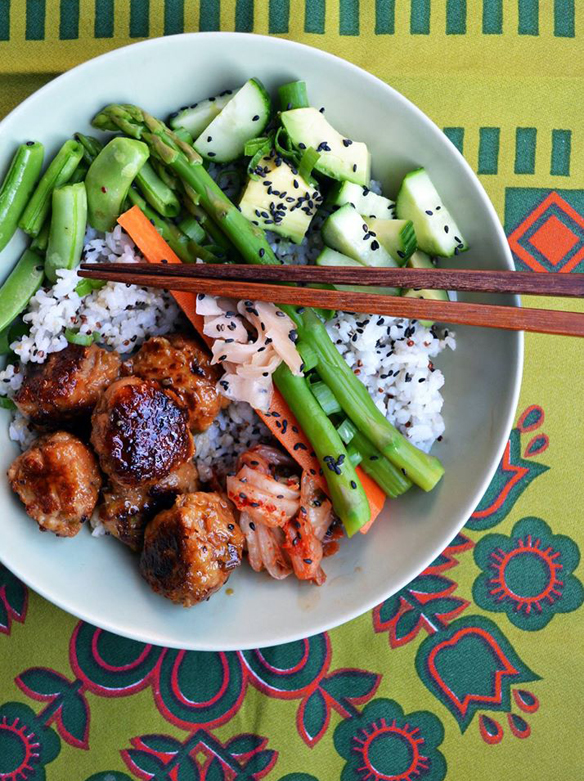
OBENTO 1: Tsukune (Japanese teriyaki chicken meatballs)
⅓ quantity tsukune
Blanched asparagus spears, scattered with toasted white sesame seeds
Sushi rice (recipe below), scattered with toasted white sesame seeds
The linked tsukune recipe makes a huge serve of tsukune, about 60 balls in total, essentially three serves of 20 balls. You’ll need one serve (20 balls and ⅔ cup sticky glaze) for 4 bento boxes; approximately 6 tsukune balls per adult and 4 balls per child. I keep them frozen (with their sauce) and defrost overnight, for a super-quick mid-week dinner. Serve warm or at room temperature.

OBENTO 2: Sweet potato, quinoa and edamame salad with miso dressing
Sweet potato, quinoa and edamame salad with miso dressing
Pan-fried chicken tenderloins, scattered with toasted black sesame seeds
Pita bread, quartered
The linked salad recipe allows for planned-overs, which can be used for rather nice sweet potato, quinoa and salmon cakes.

OBENTO 3 (classic bento): Mixed rice sushi hand rolls
Mixed rice sushi hand rolls
Blanched edamame (salted soy beans)
Sliced tamagoyaki (Japanese omelette) – recipe below
My mixed rice sushi recipe makes 12 hand rolls plus planned-over rice for onigiri balls (these are great in bento boxes too, or for school lunch boxes). You can also make traditional white rice sushi, using my sushi rice recipe at the bottom of this post.

OBENTO 4: Pulled pork po’boys
Pork po’boys
Home-made BBQ sauce, or store-bought
Puréed apple or apple sauce
Apple slaw
The linked po’boy recipe is Part 2 of a post on slow-cooked pulled pork, which is also fabulous served with caramelised apples (see recipe).

OBENTO 5: Manoushe bi za’atar (mini Lebanese pizzas with za’atar)
Manoushe bi za’atar (Lebanese pizzas with za’atar), made into mini pizzas
Home-made kid-friendly hummus, or store-bought
Carrot and celery crudites
Use my manoushe recipe to make mini pizzas. Cut little rounds of pizza dough, about 7cm (2¾”) in diameter. A full quantity of wholemeal (wholewheat) pizza dough will yield about 40 mini pizzas (you can make a half serve if preferred). Bake at 220°C (425ºF) for 8–10 minutes. Keep an eye on them so they don’t burn!

OBENTO 6: Poached chicken, avocado and asparagus salad
1 serve Poached chicken, avocado and asparagus salad
Steamed corn on the cob
Wholemeal dinner roll
You can make a kid-friendly version of this salad with poached chicken, chopped avocado and grated carrot or carrot sticks. You can even toss in a chopped boiled egg!

RECIPES FOR SUSHI RICE and TAMAGOYAKI (JAPANESE OMELETTE)

Perfect sushi rice
2 cups Japanese white sushi rice, rinsed and drained 3 times
3 cups water
1 tablespoon caster sugar
½ teaspoon sea salt
4 tablespoons Japanese rice wine vinegar
Black or white sesame seeds, toasted, for sprinkling 

This method looks complicated, but once you’ve mastered it, it’s a cinch!
Place rice and water into a large saucepan with a tight fitting lid.
Bring to the boil. Stir, turn the heat right down, place a piece of foil over the top of the pot and replace the lid. Simmer for 12 minutes. Remove lid and foil, and remove from heat.
Place a clean dry tea towel over the top of the pot and replace the lid. Allow the pot to stand for about 10 minutes – the tea towel will absorb the excess moisture.
Meanwhile, make the rice seasoning liquid by combining sugar, sea salt and rice vinegar.
Place the cooked rice into a large non-metallic container and pour in seasoning liquid. Use a large wooden spoon or rice paddle to carefully ‘slice’ through the rice and distribute the seasoning liquid.
Spread the cooked rice out on a large tray or 2 large plates, and quickly cool it by fanning a plate above it. The rice should become lovely and glossy. Refrigerate for up to 10 hours. Bring to room temperature for about ½ an hour before serving. Scatter with toasted sesame seeds.

  • Draining and rinsing your sushi rice three times seems excessive, but it will prevent your rice from becoming gluggy.
  • Japanese rice wine vinegar is available from large supermarkets and Asian food stores.
  • You can toast the sesame seeds yourself, or cheat and buy them pre-toasted from Asian food stores.

Tamagoyaki (Japanese omelette)
3 eggs
1 teaspoon mirin
1 teaspoon soy sauce
1 teaspoon caster sugar

Tamagoyaki is a sweet rectangular-shaped omelette. Kids love it, and you can whip it up in minutes! It’s fabulous sliced up in nori handrolls too.
Whisk eggs, mirin, soy sauce and sugar together. Place the mixture into an oiled, non-stick frying pan. Cook until it’s half set. Fold in half with a spatula. Fold top down, and bottom up. Press down, and flip over. Lightly fry the other side. You can roll it up in a sushi mat, pressing hard, for an extra dense omelette; or slice it up as is.

  • Mirin (sweet, low-alcohol Japanese wine made from glutinous rice) is available from large supermarkets and Asian food stores.

Slowly does it

[Recipe 1] HUTSPOT met KLAPSTUK (DUTCH MASH with SLOW-COOKED BRISKET)
transforms into
[Recipe 2] BEEF BRISKET SLIDERS with RUSSIAN POTATO SALAD

……………..
Hutspot met Klapstuk was one of my favourite meals when I was growing up. It translates literally as ‘hotch potch with slap piece’, which is so charmingly Dutch and fabulous. Hutspot is a messy mash of potato, carrot and onion. I like to add sweet potato too. It ain’t pretty (do a Google image search for ‘hutspot’ and face the horror), but it is delicious! Both my Oma (grandma) in Holland and my mum made it often. Oma had a special electric heated contraption that would sit in the middle of the table, where she would place the hutspot, beef and gravy in serving pots so we could help ourselves.
Klapstuk actually refers to beef cut from the rib, but I use brisket as it’s so juicy and flavoursome. I still refer to it as klapstuk though, because, well, it’s just such an excellent word.
The brisket needs a long slow cook, for about 3 hours. Everything is bunged in the pot, so it’s a cinch to throw together, especially if you have a serve of my easy home-made BBQ sauce waiting in your freezer. This forms the flavour base for the stewing liquid – admittedly a little more Texas-style than traditional Dutch, but so tasty. The BBQ sauce freezes well and it makes a large quantity. It’s perfect for pulled pork too.
I like to cook the brisket the day before it’s required. By resting it in the fridge overnight, you can easily remove the layer of fat the next morning, and it simply needs to be re-heated when required. I recommend cooking it on a Sunday, so dinner for Monday and Wednesday is sorted.
Reserve half the cooked brisket as planned-overs, and you can whip up a batch of brisket sliders. Yep, I’ve unashamedly leapt onto the slider craze. They’re so ace, and so kid-friendly; although I feel a bit like Cher in Moonstruck serving up mini food for the boy’s dinner. My sliders are stuffed with creamy Russian potato salad and sliced gherkins. Delicious!

Slow-cooked brisket and Dutch mash[Recipe 1] Hutspot met klapstuk (Dutch mash with slow-cooked brisket)

Ingredients for the slow-cooked beef brisket (serves 4 for 2 meals):
1.75 kilo (3.8 lb) beef brisket
1 cup home-made BBQ sauce
1 cup beef stock
1 cup water
Ingredients for the Dutch mash (serves 4):
1 tablespoon olive oil
3 cloves garlic, peeled and finely chopped
750g (1½ lb) brown onions (4 medium), peeled and finely chopped

1 kilo (2 lb) potatoes (4 large), peeled and chopped
500g (1 lb) carrots (6 medium), peeled and finely chopped into small pieces
500g (1 lb) orange sweet potato (1 large), peeled and chopped
Sea salt and freshly-cracked black pepper

Preheat oven to 150°C (300ºF).
Place beef into a small, close-fitting, ovenproof pot. Mix home-made BBQ sauce, beef stock and water together and pour over the beef until well-covered. Place into the pre-heated oven and bake for approximately 3 hours, basting with the liquid every hour, until the beef is very tender. Test to see whether beef is tender after 3 hours. If not, return to the oven for a further 30 minutes and check again.
Remove pot from the oven and set on a chopping board to cool slightly, for an hour. Place in the fridge overnight.
The next day, scrape the thin layer of fat from the top and discard. Remove the brisket from the pot and divide into two portions. Return one portion to the cooking pot for tonight’s dinner.
Reserve the other half of the cooked brisket (about 2 cups/500g/1 lb) and ½ cup of the cooking juices for the Beef brisket sliders with Russian potato salad.
For tonight’s dinner, place the pot with beef and juices on the stove top. Simmer over a low heat, covered, stirring often, for 20–30 minutes, until brisket has softened and is warmed through.
To make the hutspot (Dutch mash), heat the oil in a large heavy-based saucepan over medium heat. Cook the onion for 5 minutes. Add the garlic and cook for 3 minutes. Add the potatoes, carrots and sweet potato. Cover with water and bring to the boil. Simmer for about 20 minutes, or until the vegetables are tender. Drain. Mash, until combined and lumpy (Dutch mash should be rustic and not too smooth). Season.
The mash can be re-warmed in its pot when the beef is ready to serve.
To serve, pile a mound of hutspot onto each serving plate. Make an indentation (‘kuiltje’) in the top of the Dutch mash, ladle some of the pan juices into the kuiltje and place lightly-shredded brisket on top with a splash more of the juices. If liked, you can blend the remaining pan juices with a stick blender, and pour into a gravy jug.
Serve and enjoy.

  • Reserved slow-cooked brisket can be stored in the fridge, covered, for up to 3 days.

Beef brisket sliders with Russian salad

[Recipe 2] Beef brisket sliders with Russian salad

Ingredients (serves 4):
12 mini bread rolls
2 cups (500g/1 lb) reserved cooked beef brisket, shredded; + ½ cup pan juices
Russian potato salad, to serve
12 dill gherkins, halved (or 24 whole small cornichons)

Split the mini bread rolls lengthways.
♦ Lightly warm the reserved slow-cooked beef brisket. This can be done in the microwave. Drizzle with the reserved pan juices, cover with cling film (or a lid), and microwave on high for 1–2 minutes. Don’t make it too hot! Stuff the mini breadrolls with the warmed brisket. Top with Russian potato salad and sliced gherkins. Serve immediately.

  • Fussy kid tip: My 5-year old isn’t too keen on Russian salad so I serve his sliders with sliced avocado, grated carrot and tomato sauce (ketchup).
  • I buy my mini bread rolls from Breadtop.

Feeling a bit seedy

AMARANTH, CRANBERRY and MINT SALAD with MACADAMIAS and HALOUMI
This isn’t a planned-overs recipe, but I wanted to share it anyway as I loved it, and the husband gave it a big thumbs up too.
I’ve been trotting out the cranberry, ginger, mint and macadamia combo for years, but have always served it with couscous. Recently I replaced the couscous with amaranth seeds and it was fantastic!
I know – amaranth is the groovy ancient seed du jour, especially in blogland; but it lives up to the hype. It’s similar to quinoa, but not as bitter; and it’s so pretty, like miniature pearls. It’s also FULL of protein and fibre. Served with haloumi, it makes a lovely light dinner; and the leftovers are fab for lunch the next day.

My original intention was to create cookies from a reserved portion of the cooked amaranth and cranberries. I’ll admit it – I was extremely excited as I thought they’d be amazing. I even enlisted my lovely 11-year old gluten-intolerant niece as my kitchen assistant and taste-tester. OMG, those cookies were disgusting! Awful texture, chewy and unpleasant. I did have a nice time cooking and chatting with my niece though.
So, I didn’t want to waste the salad recipe. Do give it a try – it’s honestly scrumptious.
Footnote: Thank you Redbook for featuring this salad in your ’11 Supergrain Spring Salads’ roundup!

Amaranth, cranberry and orange saladAmaranth, cranberry and mint salad with macadamias and haloumi

Ingredients (serves 3–4):
1 heaped cup (250gm/½ lb) whole-grain amaranth (not flakes)

½ cup (75gm/2½ oz) craisins (sweetened dried cranberries)
½ cup shredded mint leaves, plus extra to serve
½ red (Spanish/purple) onion, finely sliced
Salt and freshly-ground black pepper
½ cup (80g/3 oz) macadamia nuts, chopped and toasted
120g (4 oz) haloumi (Greek frying cheese), cut into 1cm (½ in) slices
1 tablespoon olive oil for frying cheese
Lemon wedges, to serve
DRESSING:
2 tablespoons extra virgin olive oil
2 tablespoons freshly-squeezed orange juice
1 teaspoon orange zest
1 teaspoon finely-grated fresh ginger (or more – to taste)

Bring 3 cups of water to the boil in a medium pot. Add the amaranth and craisins and simmer for 10 minutes, covered. Drain in a fine mesh sieve. Spread amaranth and craisins out on a tray and set aside for ten minutes to dry. Transfer to a large bowl.
Place dressing ingredients in a screw-top jar and shake to combine. Add to the amaranth and craisins, along with the mint and onion. Toss lightly. Season.
Rinse haloumi with water and pat dry with kitchen paper. Heat the olive oil in a non-stick frying pan and lightly fry the haloumi until golden brown, about 2–3 minutes each side.
Serve the amaranth salad, scattered with toasted macadamia nuts and extra mint.
Lay the haloumi slices on top or serve separately on a platter.

  • This salad is a ripper to take to work for lunch. It can be stored in the fridge for up to 2 days.
  • Amaranth is a tiny, gluten-free South American seed similar to quinoa. I cook mine for half the time noted on the packet as I like it with a bit of bite and nuttiness. It becomes quite porridge-like the longer you cook it. It is available from health food stores and markets.
  • Haloumi is a non-meltable cheese from Greece, made for pan-frying. It is salty and delicious. My boys love it, and refer to it as ‘squeaky cheese’. It is best eaten immediately as it rubberises upon standing. It is available from large supermarkets, specialty cheese stores and delicatessens.

Well red

[Recipe 1] MARINATED ROASTED RED CAPSICUM and GOAT’S CHEESE BRUSCHETTA
transforms into
[Recipe 2] ROASTED RED CAPSICUM and FRESH HERB TART

……………..
The last couple of weeks have whizzed past in an absolute blur, with both boys at school, me back at work, and all the extra-curricular stuff. My 8-year old has joined Cub Scouts (so gorgeous in his ‘new chum’ scarf). My youngest started school and is loving it, which I’m brow-moppingly relieved about. I was expecting tears, but we were both fine.
There hasn’t been a great deal of fancy cooking going on around here, but these two meals were lovely, and they’re bright red – perfect for Valentine’s Day!
I made a big batch of marinated red capsicum last week, after scoring a huge bag of capsicums at Prahran market. I’ve been marinating capsicum for years. It’s super easy, and you can use it in sooo many different ways. My sister-in-law served up the classic bruschetta combo of roasted red capsicum (bell peppers), goat’s cheese and fresh basil as appetizers on Christmas day, and I gorged myself. We copied it last Saturday for lunch and on Sunday I whipped up a rather yummy Roasted red capsicum and fresh herb tart, which we brought to a BBQ at our neighbour’s house.
The husband and I took the remaining marinated capsicum to work for lunch, and scoffed it on fresh rye bread (from the fabulous Baker in the Rye) with rocket and Hungarian salami (from the equally fabulous Leon’s Smallgoods).
So… I’m all bell-peppered out, but it was excellent while it lasted.

Roast capsicum bruschetta[Recipe 1] Marinated roasted red capsicum and goat’s cheese bruschetta

Ingredients for the marinated roasted red capsicum (makes 2–2½ cups):
1½ kilos (3¼ lb) large red capsicums (bell peppers), quartered; membranes and seeds removed
4 large garlic cloves, peeled and very thinly sliced
½ cup (125ml) extra virgin olive oil
1 tablespoon balsamic vinegar
Salt and freshly cracked black pepper
3 bay leaves
For the bruschetta (serves 4–6):
1 loaf good-quality, chewy Italian bread (ciabatta or pasta dura), sliced
Extra virgin olive oil, extra, for brushing
60g (2 oz) goat’s cheese, crumbled
Fresh basil leaves, torn, to serve

Preheat oven to 250°C (480ºF).
Place capsicums on one or two trays lined with baking paper. Roast for 25–30 minutes, until skin is blistered and blackened.
Place capsicum pieces into a large bowl and cover with cling wrap or a lid for ten minutes (the steam will soften the skins).
Peel skin off capsicums, and slice. Return to the large bowl, with the garlic slices, oil and vinegar. Season and gently mix together. Divide mixture amongst 3 sterilised jars and place a bay leaf in each. Seal and refrigerate for at least 6 hours or overnight. Marinated capsicums will keep for up to 3 months.
Reserve 1 cup of marinated roasted red capsicum for the Roasted red capsicum and fresh herb tart.
For the bruschetta, preheat a barbecue or chargrill on high. Brush bread lightly with oil on both sides. Chargrill bread slices, for 1–2 minutes each side, until you have lovely black stripes! Place toasted bread slices on a serving platter or board. Spread lightly with goats cheese, and top with a little mound of capsicum mixture. Scatter with fresh basil. Serve immediately.

  • Marinated roasted red capsicum can be stored in the fridge for up to 3 months, in sterilized jars.

  • Glass jars, lids and rubber rings can be sterilised by running them through your dishwasher on the hottest cycle, on the top shelf. Jars should be hot when the capsicums are poured in, so time your sterilising to coincide with when your capsicums are ready.
  • Fussy kid tip: My boys love char-grilled ciabatta smeared with avocado and a tuna/mayo combo. If you have the time, a Smörgasboard-style weekend lunch is a bit of fun.

Roasted capsicum tart

[Recipe 2] Roasted red capsicum and fresh herb tart

Ingredients (serves 6):
1½ sheets store-bought shortcrust pastry, thawed (or ½ quantity home-made shortcrust pastry)
3 tablespoons grated parmesan (or Parmigiano Reggiano) cheese
5 eggs
150ml (5 fl oz) cream (I use light cooking cream)

½ cup basil leaves, chopped
½ cup flat-leaf parsley, chopped, plus extra for scattering
♦ 1 cup reserved marinated roasted red capsicum, drained, bay leaf discarded

60g (2 oz) goat’s cheese or goat’s fetta, crumbled

Preheat oven to 180°C (350ºF).
Grease a 3cm (1-inch) deep, 25cm (10-inch) fluted tart tin, with removable base.
If using home-made pastry, roll out the dough on a lightly floured surface (or between 2 sheets of baking paper) until 3mm (⅛-inch) thick. Working quickly, roll the dough into a circle (joining pieces together if necessary) about 4cm (1½-inch) wider in diameter than your tart tin.
Line the tart tin with pastry, gently pressing down into the edges, and trim to fit.
Blind bake the pastry to prevent it going soggy: cover pastry base with baking paper and fill with pastry weights (or uncooked rice). Bake for 15 minutes. Carefully remove paper and weights. Bake for a further 10 minutes or until light golden. Remove from oven and allow to cool slightly.
Scatter parmesan over tart base.
Whisk eggs and cream together and pour into tart case, followed by the fresh herbs.
Spoon reserved roasted red capsicum mixture over the filling.
Dot with crumbled goat’s cheese. Bake for 35 minutes until the filling is set. Serve at room temperature, scattered with extra chopped parsley.

  • You can make and blind bake the pastry case ahead and store in the fridge for up to 2 days. Pastry can also be frozen for up to two months – defrost overnight in the fridge.
  • If you’re working with fresh pastry (not frozen) you could freeze an extra uncooked pastry base too. I almost always make two, and freeze one for future use. Defrost overnight in the fridge, and blind-bake.
  • Fussy kid tip: You can make a half-and-half tart with a child-friendly section containing grated carrot, grated zucchini (courgette) and grated tasty cheese (instead of the goat’s cheese).

Sweet as

I’m a bit excited! My ‘Australian sweets’ range, which I entered into the Hardie Grant Books Stationery competition has been shortlisted! It has gone out to public vote. I don’t usually like asking for stuff, but if you have a spare minute, and you like my designs, I would LOVE your vote. A stationery range would be a bit of a dream come true for me. Thanks so much.
The link to the voting app is here. It takes less than one minute. You don’t even need to fill out your details.
Select ‘view entry’ under ‘Saskia Ericson’. That’s me! Select ‘Vote’ (not ‘like’). That’s all folks!
You do need to sign up for a Facebook voting app, but you can select ‘only me’ to retain your privacy. Thanks again.
My design idea was sparked by a perfectly-iced neenish tart I spotted in my local bakery. For overseas readers, here are a few links to great recipes (and photos) for the classic Australian sweets I’ve illustrated. You can find Neenish tarts at Baking myself happy, Chocolate ripple cake at taste.com.au, Fairy bread at I ate Brisbane and Lamingtons at the little loaf.
My graphic interpretations of these Aussie treats are below. First up are 4 cards (backs and fronts), followed by 4 notebook covers and lastly, a journal cover.
Footnote: I didn’t win :( Thanks so much for your votes and support though!

'Australian sweets' card range by Saskia Ericson'Australian sweets' notebook range by Saskia Ericson'Australian sweets' journal by Saskia Ericson

Hey pesto!

[Recipe 1] SPINACH, WALNUT and ROASTED GARLIC PESTO transforms into
[Recipe 2] TWO DIFFERENT PESTO PIZZAS
……………..
The school holidays have come to an end. Sidney, my scrumptious 5-year old, starts school for the first time tomorrow – his little uniform is sitting on the couch and it makes me well up just looking at it.
I’m back at work tomorrow too, so cooking for me at the moment is all about stocking the freezer with easy bits and pieces for quick dinners.
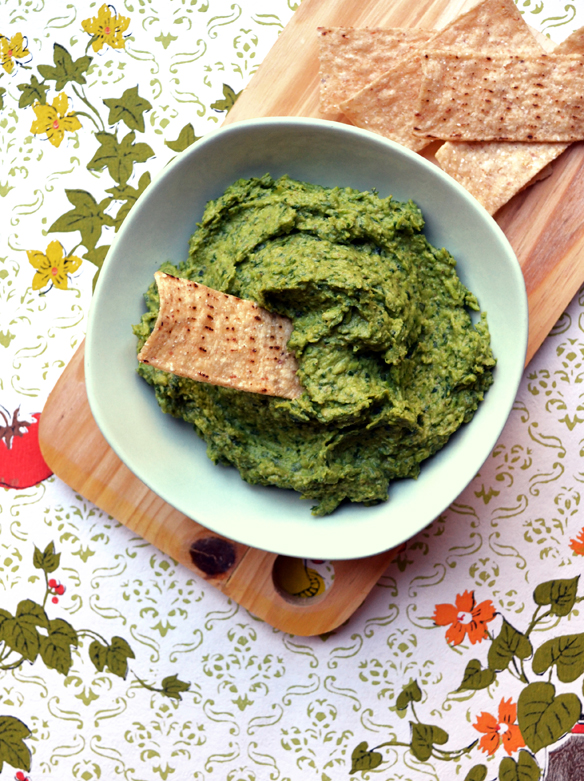
I know there are probably one billion pesto recipes floating around in cyberspace, but mine is pretty ace, even if I do say so myself. The walnuts and roasted garlic make it extra tasty, and it’s full of vitamins as there is a load of spinach mooshed up in it too.
Pesto freezes really well, and also keeps excellently in the fridge for up to 1 week. There is no need to add a layer of oil as some recommend. This pesto retains its vibrant green colour due to the splash of lemon juice. I prefer to add the parmesan to the pasta later as pesto keeps better without it.
I don’t own a food processor, but have always managed to make pesto with my trusty little stick blender – I do it in batches and mix it all together.
My boys love pesto pasta, and it’s easy to add a few vegies to the pasta cooking water, such as peas; or even tiny broccoli florets.
This recipe makes 3 generous serves of pesto, so you can set some aside for two different pesto pizzas later in the week; one for mature tastebuds with roasted cauliflower and chilli; and a kid-friendly version with bocconcini and cherry tomatoes, which we like to call ‘the fancy margherita’.
My wholemeal (wholewheat) pizza dough recipe is here. I make this dough often, and the pizza bases freeze well (see tips in the recipe).
PS. Do you like my ‘tablecloth’? It’s actually wallpaper. I’m extremely excited as I found a huge book of vintage wallpaper swatches in my local oppie last week. Be prepared for some kooky table covers in the coming weeks! 

Spinach, walnut and roasted garlic pesto[Recipe 1] Spinach, walnut and roasted garlic pesto

Pesto ingredients (serves 4 for 3 meals):
1 cup (100g) walnuts, chopped
3 cups (100g) baby spinach leaves, chopped
4 cups (3 bunches) basil leaves
6 garlic cloves, unpeeled
1 cup (250 ml) olive oil
¼ teaspoon salt
2 tablespoons lemon juice
Ingredients for tonight’s pasta:
400g (14 oz) dried spaghetti
1 cup frozen baby peas (or fresh peas)
50g (1¾ oz) parmesan cheese, grated, plus extra (shaved) to serve
Salt and freshly ground black pepper

Preheat oven to 150°C (300ºF). Wrap unpeeled garlic cloves in foil and roast for 40 minutes. Set aside.
Whizz the walnuts with a stick blender or food processor until finely chopped – take care not to blend them for too long or you’ll end up with a paste. They should retain some texture. Set aside.
Squeeze the roasted garlic cloves from their skins and add to the remaining pesto ingredients. Blend in batches, with a couple of tablespoons oil added each time. Place into a large bowl as you go. Add the crushed walnuts and mix thoroughly.
Divide pesto into 3 portions of approximately 150g (5 oz); or 2 portions of 150g (5 oz) and 2 half portions of 75g (2½ oz). You’ll need 1 full portion of pesto for tonight’s spaghetti. The rest can be frozen – see tips below recipe.
Cook spaghetti in boiling water until al dente. Add peas to the same pot for the last 2 minutes cooking time (if using fresh peas, add to the pot for the last 4 minutes). Drain spaghetti and peas, reserving ¼ cup of the cooking water, and place into a large bowl.
♦ 
Add 1 full portion of spinach, walnut and roasted garlic pesto, and the parmesan; and toss together. Season to taste. Serve immediately, scattered with shaved parmesan.

  • Pesto can be stored in a tightly-sealed container in the fridge for up to 1 week, or frozen for up to 3 months. Thaw overnight in the fridge. Smaller pesto portions (for sandwiches, salad dressings and scrambled eggs) can be frozen in ice cube trays. Transfer the frozen cubes to a plastic container, and pop back in the freezer.
  • Both the garlic cloves for the pesto and the cauliflower for the pizza can be roasted up to 2 days in advance. They can be baked alongside other vegetables and stored in a container in the fridge until required. 
  • The basil and spinach leaves should be very well dried after washing so your pesto isn’t too watery. You can use a salad spinner, or pat them dry with a clean tea towel. Don’t worry about bruising the leaves – you’ll be pulverising them anyway!
  • This recipe can be varied by replacing the walnuts with cashews, pine nuts or pistachio nuts.
  • Baby tip: You can make pesto for older babies at the same time, by blending a handful of spinach leaves (about 60g/2 oz), 1 large basil leaf and a small undrained 95g (3 oz) can of low-salt tuna in springwater (or a small cooked fish fillet and a splash of water). Freeze in ice cube trays and defrost as needed. Serve with couscous (blended if required).

Pesto, cherry tomato and bocconcini pizzaPesto, roast cauliflower and chilli pizza

[Recipe 2] Two different pesto pizzas

Ingredients (serves 4–6):
1 quantity wholemeal (wholewheat) pizza dough, or 2 large store-bought pizza bases
250g (9 oz) home-made pizza sauce, or tomato passata (puree)
♦ Half portion (75g/2½ oz) reserved spinach, walnut and roasted garlic pesto

Pizza 1: Bocconcini, pesto and cherry tomato (‘fancy margherita’).
6 cherry bocconcini*, halved

8–10 cherry tomatoes (or mini Roma tomatoes), halved
Fresh basil leaves, chopped, for scattering
Pizza 2: Roast cauliflower, pesto and chilli
¼ cauliflower, cut into florets (about 1 cup florets)
½ tablespoon olive oil, for roasting the cauliflower
6 cherry bocconcini, halved

½–1 teaspoon dried chilli flakes (to taste)

Preheat oven to 250°C (480ºF).
Place two pizza trays into the hot oven to warm up, for at least 10 minutes. This is an important step for crispy-based pizzas.
If using home-made wholemeal (wholewheat) pizza dough, sprinkle flour on a sheet of baking paper. Roll out and press each dough ball into a rectangle. Make the dough as thin as you can, as it will puff up a bit in the oven.
Spread each pizza base with home-made pizza sauce, or tomato passata.
♦ Drizzle each with spinach, walnut and roasted garlic pesto.
For pizza 1: Top prepared pizza base with bocconcini and cherry tomatoes.
For pizza 2: Blanch the cauliflower florets in a pot of boiling water, covered, for 2–3 minutes. Drain. Dry thoroughly in a clean tea towel. Place into a bowl and toss with the olive oil until well-coated. Arrange the florets on a baking tray lined with baking paper (you can use one of the pizza trays). Sprinkle with salt. Roast in the preheated oven for 10 minutes. Top prepared pizza base with bocconcini halves, followed by roast cauliflower, and chilli flakes.
Carefully slide pizzas and baking paper onto pre-heated pizza trays and bake for 10–12 minutes until bubbling. Cook separately if they don’t fit side by side.
You may need less cooking time if using pre-cooked store-bought pizza bases.
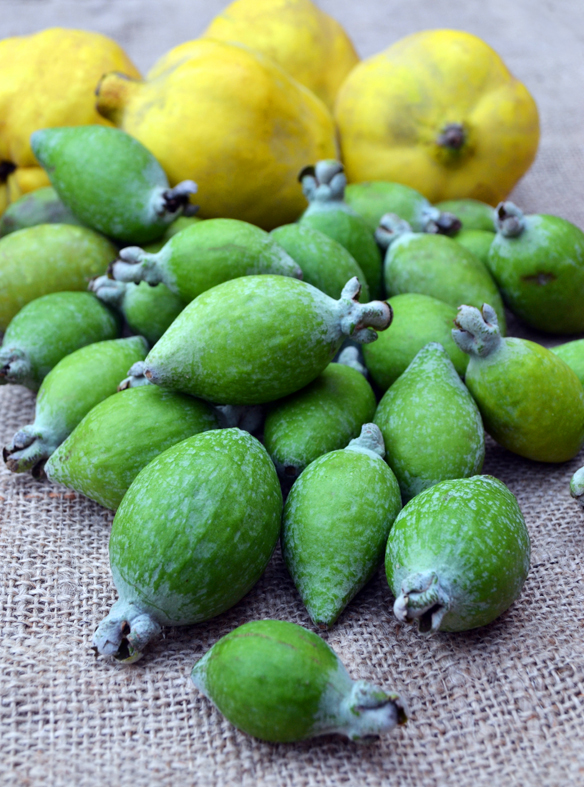
Remove from oven. Scatter pizza 1 with fresh basil. Serve pizzas immediately.

  • Bocconcini are small, white mozzarella cheese balls, packaged in water. Cherry bocconcini are very small, the size of a cherry strangely enough! They’re available at most large supermarkets and delicatessens. Replace with sliced mozzarella if unavailable.
  • Leftover pizza is of course excellent for lunch the next day!

The reel deal

[Recipe 1] PROPER FISH and CHIPS with HOME-MADE TARTARE SAUCE
transforms into
[Recipe 2] LOLITA’S SPANISH POTATO TORTILLA 
……………..
Last week I visited one of my favourite Melbourne food suppliers. If you’re ever choofing down to the Mornington Peninsula, I highly recommend, in fact I insist, you visit the Hutchins Brothers fish merchants.
Neville and Dalton Hutchins are 5th generation fishermen, who sell their fresh fish daily, right on Fisherman’s beach in Mornington. You’ll know they’re open for business if their red and yellow sign is out by the side of the road. Descend the steps to the beach, and you’ll spot their gorgeous blue timber hut, erected in 1910 (after the original hut was destroyed in a storm).
The brothers head out onto Port Phillip Bay every morning in their little boat, then sell the day’s catch. I can’t imagine you’d get fresher fish than that anywhere else in Melbourne!
The day I visited they had garfish, flathead and Australian salmon on offer. Nothing is wasted as they also sell fish heads for stock. I picked up a load of flathead fillets and we cooked up some 
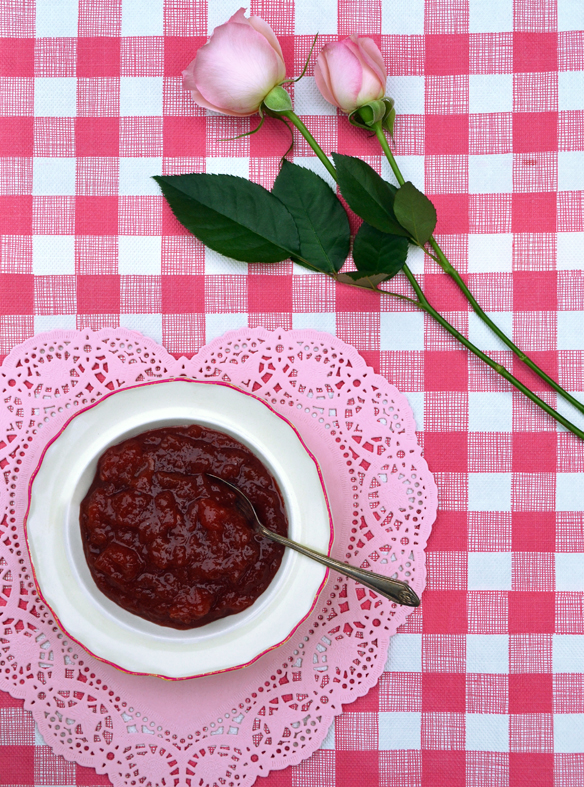
proper fish and chips (fries) with home-made tartare sauce. These chips rock. They’re crispy and golden and relatively healthy as they’re baked not fried. The polenta meal adds a nice crunch and gives the chips a faux deep-fried flavour.
The home-made tartare sauce honestly takes minutes to make, and it’s a bit of a cheat’s recipe as I use store-bought mayo.
If you par-boil extra potatoes (see tips below), you can make a rather excellent Spanish potato tortilla for dinner the next night. The leftovers are great for brekkie too.
A tortilla is a fab way to use up leftover boiled potatoes (and/or any other vegies). It’s super quick and easy to make and my boys hoover it up. The recipe is adapted from one by my Spanish neighbour, Lolita. Lolita and her family served up this tortilla at our annual neighbour’s Christmas party and it practically teleported me to Barcelona. The husband and I were in Spain years ago, and nothing brings back the memory clearer than a genuine tortilla. Enjoy
.

Mornington fish merchantsHome-made fish n chips[Recipe 1] Proper fish and chips with home-made tartare sauce

Ingredients (serves 4 for 2 meals):
4 x 120g (4 oz) flathead (or other firm white fish) fillets
½ cup plain (all-purpose) flour for dusting
1 tablespoon olive oil for frying
Cheat’s tartare sauce, or store-bought tartare sauce, to serve
Fresh dill, for scattering (optional)
POLENTA CRUSTED CHIPS
2¼ kilos (5 lb) floury potatoes* (about 12 large), peeled, cut into 2cm (¾”) chips
½ cup peanut oil
2 tablespoons olive oil, extra, for coating reserved potatoes
2 tablespoons fine polenta (cornmeal)
2 teaspoons dried thyme
2 teaspoons fine sea salt

Preheat oven to 220°C (425°F).
Place flathead fillets in a plastic bag with the flour. Seal the bag and shake gently to coat. Remove flathead fillets, shaking off excess flour. Refrigerate, covered, until required.
Place cut potatoes in a saucepan and cover with water. Bring to the boil, and simmer uncovered for about 5 minutes, until almost tender (be careful not to overcook them). Drain and return potatoes to the dry pan. Place the lid on, and shake the pan over a medium heat to roughen and dry the potatoes.
♦ Reserve slightly less than half the par-boiled potatoes for Lolita’s Spanish tortilla, or about 4 cups (no need to be precise though). Place into a container, add 2 tablespoons olive oil, and toss to coat. Allow to cool. Store in the fridge for up to 2 days.
Place remaining par-boiled potatoes (for tonight’s chips) into a large bowl. Mix polenta, thyme and salt together and scatter over the potatoes. Toss to coat.
Place peanut oil into a large roasting pan, and heat in the hot oven for about 10 minutes – this is the trick for crispy oven-baked chips! Very carefully remove the baking pan from the oven. Place potatoes into the hot oil with tongs, gently toss to coat, and return to the hot oven. Bake for 45–55 minutes, turning every 10–15 minutes, until golden brown. Drain on kitchen paper.
Meanwhile, heat the 2 tablespoons olive oil in a non-stick frying pan and fry the flathead fillets for about 2 to 3 minutes each side, until light golden.
Serve the fish and chips with tartare sauce on the side, and perhaps a nice green salad.

  • Planned-overs (par-boiled potatoes) can be refrigerated for 1–2 days in a tightly-sealed container. Adding a little olive oil to them will prevent them going grey. If they do discolour slightly though, don’t panic! The taste won’t be compromised.
  • *In my opinion the best potatoes for chips are russet burbank, followed closely by spunta, sebago and bintke; as they’re all floury and have a low moisture content.
  • Peanut oil is best for chips due to its high smoke point (it can sustain high heat without smoking). Vegetable oil is a close second.
  • I use a 25 x 25cm (10″) square baking pan. If yours is larger, you may need a splash more peanut oil.
  • You can pimp your chips however you like. They’re also fab with cummin, sweet paprika or, for a Spanish touch, smoked paprika (pimentón).

Potato tortilla

[Recipe 2] Lolita’s Spanish potato tortilla

Ingredients (serves 4–6):
4 tablespoons olive oil
1 small brown onion (or ½ a large), finely chopped
4 cups reserved par-boiled potato pieces (equivalent to 5 potatoes), cut into small cubes or slices
8 large eggs*
Salt and freshly-cracked black pepper
Easy spiced tomato chutney, or store-bought chutney, to serve

Heat oil in a large heavy-based non-stick frying pan over a low heat.
Cook the onion for 3 minutes, until just softened but not coloured.
♦ Dry reserved par-boiled potato cubes with a clean tea towel; and add to the frying pan. Fry gently over a low heat, turning occasionally, until tender and light golden brown (about 15–20 minutes).
Whisk the eggs, salt and pepper, and pour over the potato and onion mixture. Stir gently with a wooden spoon and spread out the potatoes evenly.
Cook over a low heat for about 10 minutes. Lift one side of the tortilla after 8 minutes, to check it isn’t browning too much.
Place a large upside-down dinner plate over the frying pan, and invert the pan to catch the tortilla. This is a mildly messy process, but it works well.
Heat a little more olive oil in the pan and slide the tortilla back in, to cook the other side. Cook gently for 4–5 minutes until golden brown.
Turn tortilla out onto a serving plate. Slice and serve with tomato chutney.

  • To vary the ingredients, you can add chorizo, speck or bacon to the pan with the potatoes. Chopped fresh herbs are a lovely addition too.
  • *I use a 28cm (11′”) frying pan. For a smaller pan, 6 eggs will suffice, and less potato pieces.
  • Leftover tortilla is excellent for breakfast. Lightly re-heat the tortilla in a frying pan and serve thinly sliced with buttered toast, and bacon or grilled tomatoes.

Beachy keen

Two weeks left of the school holidays, and it has been pretty ace. I’ve loved hanging out with the boys, especially knowing that Sid is starting school this year. *sob*
Visited Collingwood Children’s Farm today (god I love that place), and Scienceworks yesterday for their Carnival of Science exhibition – highly recommended if you live in Melbourne.
We had the most blissful week on the beach recently too, at the Mornington Peninsula. Every January we swap houses with my mum and step-dad for a week or two. They love their ‘urban escape’, squeezing in gallery-visits and catching up with their city friends; while we enjoy a glorious week of sun and sand and traipsing through the bush.
Some highlights:
A beach holiday wouldn’t be complete without a visit to a fair and Rye Foreshore Carnival always delivers – carnies, dodgems, sideshow games and rides (check out the gorgeous pigs)!
My 8-year old spotted an echidna while we were bush-walking through beautiful Green’s Bush. It burrowed its head under a small log, and just like a 3-year old playing hide and seek, believed that as it couldn’t see us, we couldn’t see it. We were able to stroke him!
One of my favourite discoveries was an abandoned mini-Europe. I asked around and it’s quite a sad story as the creator died a few years ago. I’m so pleased his legacy has been left alone though, to almost blend into its’ surroundings. I’m a sucker for abandoned places and their stories; some are incredibly sad, while others are just gob-stoppingly mysterious and spooky. If you’re intrigued by them too, you might want to sneak a peek at my Abandoned Places Pinterest board.
I digress, back to the holiday… our favourite beach in the area is Shire Hall beach with the most beautiful row of bathing boxes and crystal-clear water, where we gave our inflatable dinghy, the Explorer 200, a serious workout. We also checked out the surf at Point Leo and enjoyed dinner in mum’s backyard – such a treat sitting under a big tree with a glass of wine as our backyard at home is the size of a postage stamp.
Hope you’re all enjoying the holidays too. Ciao for now.

Holiday2013

Bean me up

[Recipe 1] CANNELLINI BEAN, CHORIZO and SWEET POTATO SALAD transforms into
[Recipe 2] SPICED BEAN BURGERS with CHIPOTLE MAYO 
……………..
Happy belated New Year! We’ve just returned from a beautiful week on the Mornington Peninsula – will post snapshots soon.
In the meantime, here are a couple of easy Summery recipes we chowed down on last weekend. The Cannellini bean, chorizo and sweet potato salad was a cinch to whip up and pretty damn nice! We served it up at a BBQ, along with a platter of chilli prawns and lots of wedges of lime.
You can use canned beans for the salad, but if you have the time, cooking dried beans is always worth the effort methinks.
Reserve half the salad (minus the chorizo and dressing – see the ♦ orange diamonds for details), and you can whip up some beaut Spiced bean burgers with chipotle mayo for dinner the next day.
I love transforming salads into patties or fritters.
 A few regular favourites of ours are these:
Sweet potato, quinoa and edamame salad > Sweet potato, quinoa and salmon cakes.
Roast corn, quinoa and pea salad > Corn, pea and quinoa fritters.
Roasted pumpkin and mixed seed salad > Spiced pumpkin and cashew patties.
The salads are all perfect to serve up at a BBQ or dinner do. Then, after a successful night of entertaining, when you’re just too pooped to cook the next day, you’ll open your fridge door and voila! an (almost) ready-made dinner will be sitting there.
The thing with these salads is that they’re adult-friendly (although my adventurous 8-year old will happily scoff them, and the 5-year old occasionally too – with some coaxing and modifications). The patties and fritters made from the reserved salads however, will be positively hoovered by kids. My boys will eat almost anything fritterised or pattied. And you can hide all manner of extra goodies in them too… oat bran, wheatgerm, LSA and/or extra vegies.
Have a lovely week. We’re adopting a kitten on Saturday (bit excited)!
Footnote: Thanks Rate your burn for including these recipes in your “15 healthy recipes for sweet potatoes” roundup!

White bean and chorizo salad[Recipe 1] Cannellini bean, chorizo and sweet potato salad

Ingredients (serves 4–6 for 2 meals):
2 orange sweet potatoes (about 700g/1½ lb), peeled, cut into 2cm cubes

1 tablespoon olive oil
Salt and freshly ground black pepper
4 x 400g (15 oz) cans cannellini (white kidney) beans, drained, rinsed (or cooked dried beans – see notes below recipe)
1 medium salad (white) onion, quartered, finely chopped
I cup fresh coriander (cilantro), chopped, plus extra to serve
1 small chorizo sausage* (150g/5 oz), casing removed, halved lengthwise, sliced
Cracked black pepper, extra, to serve

DRESSING:
2 tablespoons lime juice
1 tablespoon white wine (or white balsamic) vinegar
2 tablespoons extra virgin olive oil

1 teaspoon caster (superfine) sugar
1 clove garlic, crushed
½ teaspoon smoked paprika (pimentón), or sweet paprika if unavailable

Preheat oven to 200°C (390ºF).
In a large bowl, toss the sweet potato with the olive oil until well-coated. Place sweet potato onto a baking tray lined with baking paper. Season. Roast for 20–25 minutes or until tender.
Mix sweet potato, beans, onion and coriander together.
♦ Reserve half of the sweet potato and bean mixture (about 4½ cups) for the Spiced bean burgers.
Make the dressing by placing the ingredients in a screw-top jar. Shake until combined.
Heat oil in a heavy-based frying pan over medium heat and fry chorizo slices until crispy. Drain on kitchen paper.
Add chorizo slices to the remaining sweet potato and bean mixture (for tonight’s salad). Drizzle with the dressing and toss gently. Serve, scattered with extra coriander and pepper.

  • You can use cooked dried beans instead of canned beans. You’ll need a total of 450g (just under 1 lb) dried cannellini (white kidney) beans for this recipe. When cooked this is equivalent to 4 cans beans, drained. FYI, 2 cans beans, drained, is equivalent to approximately 225g (½ lb) cooked dried beans. Soak dried beans overnight, drain and rinse. Cook in boiling water until tender, about 30–45 minutes. Drain, rinse and cool. Cooking dried beans is not as time-consuming as it may seem – I often cook mine in the morning while we’re having breakfast, so they’re ready to use at dinner time. 
  • *Be sure to use good-quality dried salami-style chorizo, not fresh ‘sausage-style’.
  • Planned-overs (undressed sweet potato and bean mixture) can be frozen for up to 3 months; so you can make the bean burgers another time. You can also store the mixture in the fridge for up to 3 days.

Bean burger with chipotle mayo

[Recipe 2] Spiced bean burgers with chipotle mayo

Ingredients (serves 4–6):
♦ Half reserved undressed sweet potato and bean mixture (about 4½ cups)

1 small red birsdeye chilli, de-seeded, finely chopped (optional)
½ cup dried breadcrumbs
2 teaspoons ground cumin
1 egg, beaten
2 tablespoons olive oil for frying
Nice buns and lettuce, to serve
Chipotle mayo (or sweet chilli mayo), to serve

♦ Mash the reserved undressed sweet potato and bean mixture with a potato masher.
Add the chilli (if using), breadcrumbs, cumin and egg and mix well.
Shape the mixture into 6 burger shapes. Refrigerate for at least 30 minutes.
Heat oil in a non-stick frying pan over medium-high heat and fry for 2–3 minutes each side until golden brown.
Serve in buns with lettuce and chipotle mayo.

  • Uncooked burgers can be frozen for 3 months, between layers of baking paper. Defrost overnight in the fridge.
  • Chipotles are smoke dried jalapeños. Chipotle chilli powder (for the mayo) is available at specialty food stores, Oasis and Spanish grocers.

I want to hold your ham

[Recipe 1] PEA, ZUCCHINI and HAM SOUP (with leftover Christmas ham) and
[Recipe 2] 3-CHEESE MACARONI (with leftover Christmas ham)
……………..
Thought you might fancy a couple of recipes for using up your leftover Christmas ham next week. I typed up and photographed these earlier in the year, saving them for now in case I was too pooped to post anything this week. Well, as my mum would say (in her beautiful Dutch accent) Sanks god for dat. Apart from present-wrapping, shopping, baking, visiting the Myer windows, attending nightly Chrissie parties and squeezing in some work; I’ve been stung by a wasp on the bottom of my foot, slammed the car boot lid on my head (don’t ask) and dropped my new umbrella in a toilet. Pretty crazy (and occasionally embarrassing) week!
Anyhoo, back to cooking… I’ve made both these recipes many times, and they’re pretty excellent, even if I do say so myself!
If you’re having ham on Christmas day, don’t toss the bone with all those lovely bits of ham stuck on it – use it to flavour Pea, zucchini (courgette) and ham soup. This soup is beautiful, and perfect for freezing and taking with you on holidays. Soup is always exactly what I crave after gorging myself on Christmas day.
The 3-cheese macaroni is the ultimate mac n’ cheese. My boys LOVE it, and the husband and I are very happy to cart the leftovers to work. It’s full of vegies, and super tasty with the addition of Gruyère cheese. Gruyère is one of my favourites, so nutty and creamy – just a whiff of it casts me straight back to my childhood dinner table and the steaming pots of cheesey, winey fondue made by my dad.
Hope you all have a beautiful holiday season and New Year. I’m unplugging for a while, and looking forward to some very serious relaxation. Ciao for now. See you next year. xx

Pea, zucchini and ham soup[Recipe 1] Pea, zucchini and ham soup

Ingredients (serves 6–8):
500g dried green split peas
1 tablespoon olive oil
2 brown onions, diced
2 garlic cloves, finely chopped
1 cup fresh (or frozen) peas
2 large carrots, chopped into small pieces
2 large zucchinis (courgettes), chopped into small pieces
2 full-length celery sticks, including leaves, chopped
leftover Christmas ham bone
1 beef stock cube
8 cups (2 litres) water
2 bay leaves
2 cups (250g) finely chopped leftover Christmas ham
Salt and freshly cracked black pepper
Fresh mint leaves, torn, to serve

Soak dried green split peas for 8 hours, or overnight. Drain and rinse.
Heat oil in a large heavy-based saucepan over medium heat. Cook the onion for 5 minutes. Add garlic and cook for 3 minutes. Add peas, carrot, zucchini, celery, ham bone, stock cube, water and bay leaves. Cover and simmer for 45 minutes, or until peas are very tender – you may need to cook them for longer, depending on the age of your peas! Stir occasionally.
Allow to cool for one hour (leave the ham bone in). Remove ham bone. Remove and discard bay leaves.
Puree soup in a blender or with a stick blender.
Cut off any ham remaining on the bone, and return it to the soup with the extra chopped ham. Season to taste.
Re-heat and serve, scattered with mint.

  • Leftover Christmas ham be diced and frozen, for up to 6 weeks (cured meat can’t be frozen for as long as other meats). Freeze it in 2-cup lots, then you can whip it out for these recipes later! Defrost overnight in the fridge.
  • Pea, zucchini and ham soup can be refrigerated for up to 3 days. If using fresh (not frozen) ham, the soup can also be frozen for up to 3 months.
  • If you’re using a smoked ham hock, instead of a leftover Christmas ham bone, you can omit the beef stock cube.

Macaroni cheese ham bake

[Recipe 2] 3-cheese macaroni

Ingredients (serves 6–8):
2½ cups (400g) dried macaroni
2 corn cobs
1 large carrot, peeled and cut into tiny squares
2 small heads broccoli, florets removed
1 cup (125g) frozen peas (or fresh – see notes)
2 cups (250g) finely chopped leftover Christmas ham
4 tablespoons (60g) butter, plus extra for dotting
⅓ cup (50g) flour
2½ cups (625ml) milk
2 teaspoons wholegrain mustard
1½ cups (150g) grated Gruyère
1 cup (100g) grated extra-sharp cheddar
1 cup (100g) grated parmesan
Salt and freshly ground black pepper

Preheat oven to 180°C (350ºF).
Bring a large pot of water to the boil. Add corn cobs. Simmer for 5 minutes, then add dried macaroni and carrot. Return to the boil and continue cooking for a further 8 minutes until macaroni is al dente (don’t overcook it, as it will continue to soften in the oven). Drain. Remove kernels from corn; and return to pan with carrot and macaroni. Set aside.
Steam broccoli and peas until broccoli is just tender. Add broccoli, peas and chopped ham to the macaroni pot.
Place the butter in a medium saucepan and melt over a low heat. Add the flour. Cook over low heat for 1 minute, stirring often. Slowly stir in the milk, a cup at a time. Bring to the boil. Turn heat down to low and simmer for 4 minutes, until thickened and smooth. Stir in mustard. Remove from the heat and add Gruyère and cheddar. Season to taste. Add cheese sauce to the macaroni mixture and stir well.
Grease a 6cm (2″) deep, 32 x 22cm (12 x 9″) oven proof dish. Spoon in macaroni mixture.
Scatter parmesan over the macaroni, and dot here and there with butter (or spray with olive oil spray). Bake for 20 minutes, until golden. You can pop it under the griller for a few minutes if you like an extra-crispy top. Stand for 5 minutes before serving. Serve with a simple green salad.

  • Fresh peas can be used, instead of frozen. Drop them into the pot with the corn cobs, in the last 3 minutes boiling time.
  • Gruyère can be replaced with Swiss cheese or Jarlsberg if unavailable, although the overall flavour of your macaroni will be milder.
  • This recipe serves 6–8. Leftovers can be re-heated in the microwave, or in a low oven, covered with foil. If you’re using fresh ham (not frozen) you can cook two smaller macaroni dishes, and freeze one for later, for up to 2 months. Defrost in the fridge overnight, cover with foil and warm at 180°C (350ºF) for about 20 minutes.

8 sleeps

8 sleeps ’til Christmas. No time for cooking, so thought I’d share a little montage of Christmas bits and pieces at our house.
Our silver tree sets off our green elves rather nicely don’t you think? If you’re an elf-lover like me, and you’d like to know what they get up to when you’re asleep, check out the fab, slightly creepy, photos on Craft It Bake It. The second photo is of my fave tree decoration, a little elf, made in Japan, that I discovered last Saturday at the local Op Shop.
Our rocking deer has been in the boy’s bedroom since they were little. They’re way too big for him now, but we can’t bare to part with him. We gave him a wonky Christmas tail this year as he has no tail of his own. Over the years the boys have posted all manner of items in the empty tail hole, so he rattles when ridden. I found him at Mornington Op Shop – just about had a coronary when I spotted him in the window.
Made the stockings a few years ago. They were fairly tricky as they’re fully-lined. The typewriter-font letters are ironed-on and from Spotlight. I thought I was so clever maximizing the Santa fabric, and niftily cutting 4 stocking shapes out of a small piece. Didn’t notice that Louis’ Santas are upside-down! D’oh.

Found the skinny Santa candles at the local Op Shop last weekend too, in their original packet! Too cute.
Made the little Advent box years ago, from matchboxes. It starts on the 15th as I’m too lazy to do Advent stuff for 25 days. Each drawer contains two tiny chocolates and a little message, or suggested activity for the evening. I stole the message idea from Loobylu’s ace blog.
Vintage Christmas tags – made a mountain of these a while ago. I know vintage storybook tags are all over Pinterest, but they’re just so damn cute! I’m a confirmed hoarder (or ‘bag lady’ as the husband likes to call me) and have been snaffling Golden Books at School Fetes, Oppies and Garage Sales for years now. The idea of cutting up old books is a bit sacrilegious but some had been scribbled on, others were water-damaged, and others had great illustrations and crap stories; so I feel quite good about giving them a new lease on life. Bought a tag stencil from Spotlight, glued brown paper on the backs and my 8-year old helped with the guillotining, so they were quite an easy project. I reckon they look pretty ace! Especially love the alphabet book ones.
Seasons Greetings lovely readers, and a very Merry New Year.

Christmas at our houseVintage Christmas wrapping

Hot for teacher

[Recipe 1] ZA’ATAR (Middle Eastern spice mix) transforms into
[Recipe 2] MANOUSHE BI ZA’ATAR (Lebanese pizza with za’atar) 
……………..
Our house was like a mini spice market last weekend. We made an absolute mega batch of Za’atar, mainly for my boy’s teachers for Christmas. It was 37 degrees (99°F) outside on Saturday – blech – the perfect weather for indoor action. The boys were on filling and lid-application duty, and we had music blaring in the background. See two songs from our playlist* below.
I’ve based my Za’atar recipe on this one, and added cumin and cinnamon – not really authentic additions, but they make for a smoother tasting za’atar methinks.
Za’atar is my favourite Middle Eastern spice blend – it’s oh so versatile! You can scatter it on roast vegies, use it as a dry rub on meat, sprinkle it over fatoush or fetta salad, or stir it through Greek yogurt as a quick dip. One of my favourite brekkies is scrambled eggs sprinkled with za’atar, served in a wrap with fresh tomato and rocket (arugula). Honestly, when we have a batch in the cupboard, it gets scattered on just about anything!
Recipe 2 is another beautiful, simple way to use Za’atar, Manoushe bi za’atar (Lebanese pizza with za’atar). We buy this regularly from Oasis and A1 Bakery, but when time permits, we love making our own.
If you’re not particularly crafty, or you don’t have the time (understandable at this mental time of year) a jar of Za’atar is an easy, inexpensive home-made gift. I bought all the fabric scraps at the swoon-worthy Amitié Textiles – some were already cut to size! Popped down to Oasis to stock up on bulk spices and numerous other items. I always end up with a bulging basket there. The spice section is mind-boggling, and the baked goods and sweets are impossible to walk past. Well worth the drive. Have a lovely week folks.
*If you need some background music while you’re mixing and measuring, you could listen to the inspiration for my blog post title, the very bad (in a good way) Van Halen’s Hot for Teacher. The drum intro is the perfect accompaniment to frenzied spice pounding. Or… for something more exotic, and because she’s named after the main spice in Za’atar, you could try the absolutely fabulous Yma Sumac (her real name is actually Amy Camus, but she niftily reversed the letters).

Jar of home-made zaatarZaatar label[Recipe 1] Za’atar (Middle Eastern spice mix)

OPTION 1: Bulk quantity (makes 16–17 cups, to fill 16–17 average-sized jars)
3 cups (150g) thyme
3 cups (150g) marjoram
3 cups (150g) oregano
1½ cups (150g) sesame seeds, toasted
5 cups (600g) fine-blend sumac
¼ cup (6 tablespoons) cinnamon
¼ cup (6 tablespoons) cumin
¼ cup (6 tablespoons) fine sea salt

OPTION 2: Small quantity (makes 2½ cups)
2 tablespoons thyme
2 tablespoons marjoram
2 tablespoons oregano
1 tablespoon sesame seeds, toasted
¼ cup fine-blend sumac
1 teaspoon cinnamon
1 teaspoon cumin
1 teaspoon fine sea salt

Place thyme, marjoram, oregano and sesame seeds into a large bowl and mix well. Blend in batches in a food processor or with a stick blender. Don’t blend it too fine, just break it up a bit. If you’re making the smaller quantity of Za’atar, you can use a mortar and pestle.
Add sumac, cinnamon, cumin and sea salt and mix well. Divide za’atar into sterilised jars.
♦ Reserve 4 tablespoons za’atar for the Manoushe bi za’tar (Lebanese pizza with za’atar).

  • Sumac is a dark reddish purple Middle Eastern spice, made from the berries of the Sumac shrub. It has a tart, tangy flavour. It’s available in large supermarkets, specialty food stores and Middle Eastern grocers.
  • You can toast your own sesame seeds, or cheat and buy them pre-roasted from Asian and Middle Eastern food stores. 
  • Za’atar should be stored in a cool dry place, and will keep for 3–6 months.
  • Glass jars and lids can be sterilised by running them through your dishwasher on the hottest cycle, on the top shelf.

Zaatar pizza

[Recipe 2] Manoushe bi za’atar (Lebanese pizza with za’atar)

1 quantity wholemeal (wholewheat) pizza dough, or 2 store-bought pizza bases
2 tablespoons olive oil
♦ 4 tablespoons reserved za’atar
Tomato, Persian fetta and mint salad, to serve (optional)

Preheat oven to 250°C (480ºF).
Place two pizza trays into the hot oven to warm up, for at least 10 minutes. This is an important step for crispy-based pizzas.
If using home-made wholemeal (wholewheat) pizza dough, sprinkle flour on a sheet of baking paper. Roll out each dough ball into a circle, roughly the same size as your baking tray. Make the dough as thin as you can, as it will puff up a bit in the oven.
Brush each pizza base with olive oil.
♦ Liberally sprinkle reserved za’atar over each pizza.
Carefully slide pizzas and baking paper onto pre-heated pizza trays and bake for 10–15 minutes until golden brown around the edges. Don’t overcook the pizza, or you’ll end up with a giant biscuit! Have a peep after 10 minutes, and pop it in for an extra 5 minutes only if absolutely necessary. You’ll need less time overall if using pre-cooked store-bought bases.
Remove from the oven and serve immediately with Tomato, Persian fetta and mint salad.

  • You can make smaller manoushe as hors d’oeuvres. Cut little rounds of pizza dough, about 7cm (2¾”) in diameter. A full quantity of wholemeal (wholewheat) pizza dough will yield about 40 mini pizzas. Bake at a lower temperature (220°C/425ºF) for 8–10 minutes. Keep an eye on them so they don’t burn! You can see a picture of them here – they’re included in Bento box number 5.

Desperately seeking Alicia

Alicia Boarts, where are you?
You are the winner of the 1=2 Christmas Giveaway. Congratulations! I used randompicker.com on November 25th to select the winner, and it was you! I announced it on the blog here, and on the 1=2 Facebook page. I’ve messaged you twice on your Facebook page, but I haven’t heard from you! If you’re reading this, could you please contact me via the email address on the About Me page, or you can message me on the 1=2 Facebook page. I’d love to post you your prize. Thanks Alicia!